
OC cabling is the kind of “NBN” being delivered to my street. Great work, Malcolm.
OC – Operation Clusterfuck
Originally shared by Delimiter
OC cabling is the kind of “NBN” being delivered to my street. Great work, Malcolm.
OC – Operation Clusterfuck
Originally shared by Delimiter
Vote early, vote often.
Originally shared by Jeff Zahari

Originally shared by Kat N. Nerdvana
Hillary announced that the public must be made to understand that Bill was taking them on a “journey” and that he had a “vision” for what the administration was doing, a “story” that distinguished good from evil. The way to dramatize this story, the first lady continued (in Bernstein’s telling), was to pick a fight with supporters.
“You show people what you’re willing to fight for, Hillary said, when you fight your friends—by which, in this context, she clearly meant, When you make them your enemy.”
A very good presentation. Appeals towards the Universal have been a key part of Western rhetoric for the last few centuries. It has always been limited however. Unmentioned in the lofty declaration of universal human rights is the reality that some rights come before other ones and that some humans are more important (indeed are more human) than others.
While the principles of liberalism, laws and rights were first being hammered out, millions of people were sold into chains and their countries plundered. Even to this day a bombing victim or a victim of a shooting is not the same as another. It comes down to where that victim lives. It comes down to who that victim was and whether or not they qualify for true victimhood.
This talk by is primarily about the limited nature of feminism within the context of the global plight of women. It has relevance though to all struggles for equality and fairness in the contemporary world. Advocates for universalism need to recognise the limits of today’s particular kinds of “universals” and continue to work with and learn from the victims of their exclusion.
Originally shared by Jeff Zahari
“What is the point of any activism if we are not prepared to challenge the fact that our privilege is based on the oppression and exploitation of the majority of the world’s female population?”
China
Originally shared by Ray Cromwell
中国, 中国, 中国,中国,。。。。
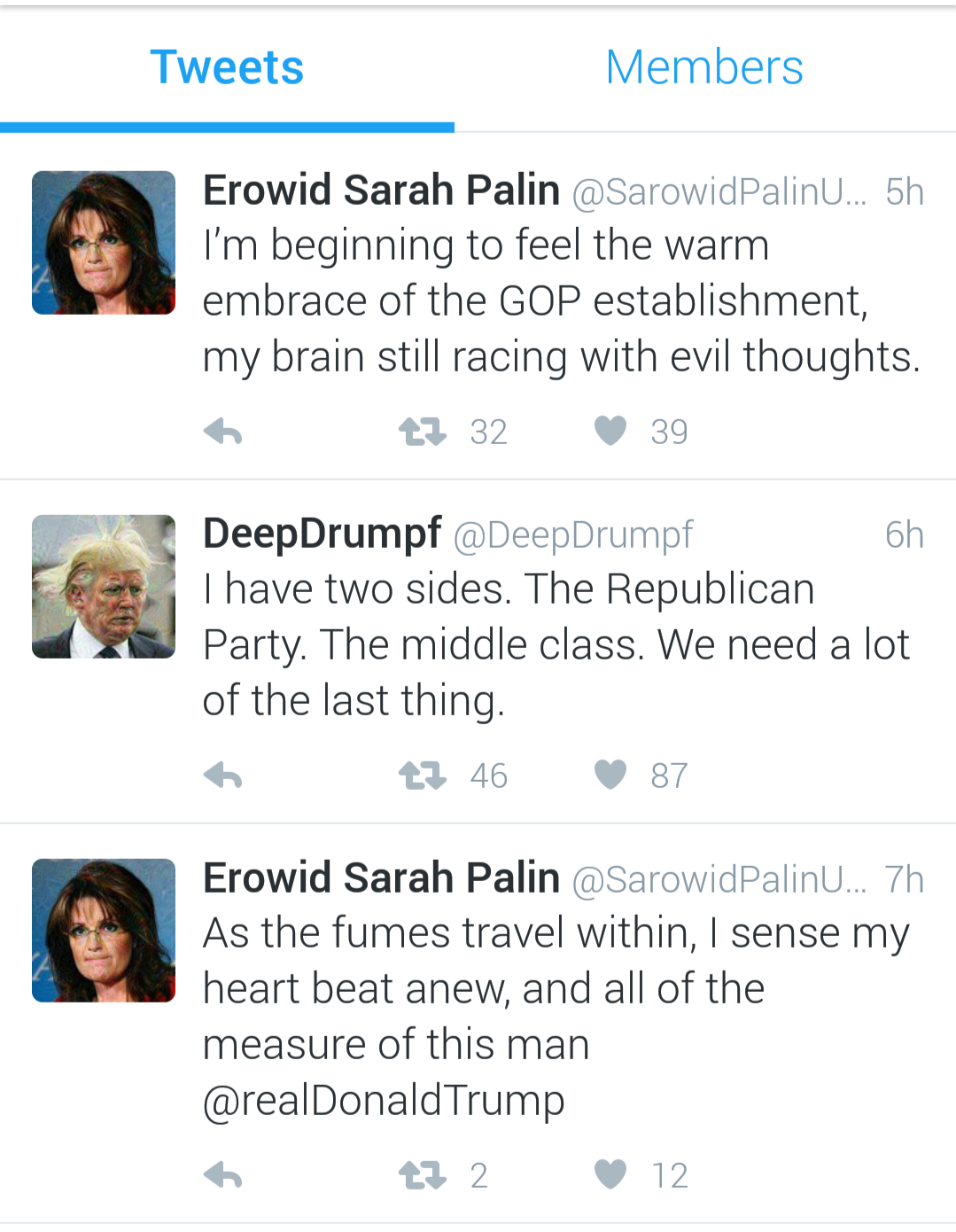
My Twitter stream is filling up will neural nets and Markov chains.
Via Ferdinand Zebua
Originally shared by Fast Company
How ODG’s Smart Glasses Can Help The Visually Impaired
Placing the Trump phenomenon within the context of the Republican Southern Strategy.
Originally shared by Susan Stone
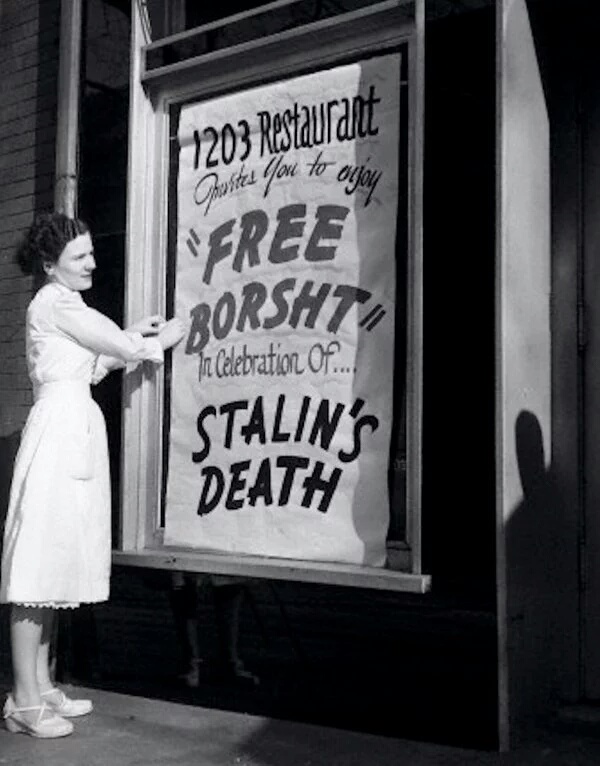
 Never Stop Posting